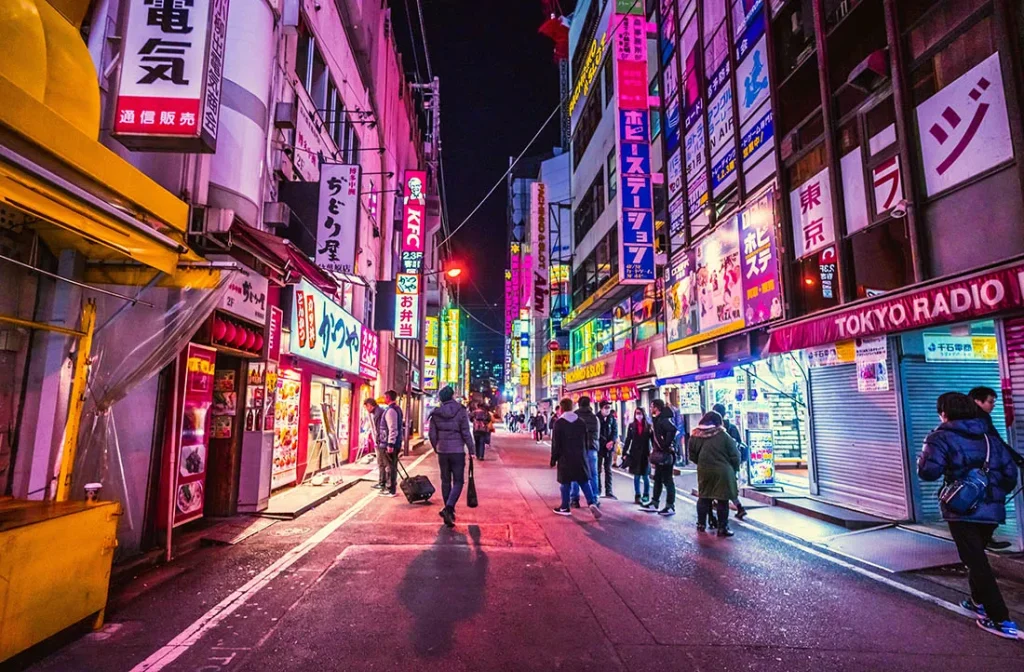
Let’s be real: if you are a vintage console hunter, a pop-culture nerd, or a tech enthusiast, Akihabara is the holy grail. You aren’t going to Electric Town because someone dragged you there; you are going because you want to dig through retro Sega cartridges, explore eight-story arcades, and experience the neon-drenched epicenter of Japanese otaku culture.
But as a neurodivergent travel planner for women who love Japan, I also know that even the most highly anticipated bucket-list stops can drain your battery fast. The Akihabara electronics and anime district in Tokyo (also known as Electric Town) is brilliant, loud, and entirely unapologetic. You don’t need to be protected from it per se….you just need a solid game plan so you can spend your energy finding exactly what you came for, rather than wasting it on decision fatigue and fighting a migraine that you feel guilty about!
Optimizing Your Akihabara Electronics and Anime Tokyo Experience
Wandering aimlessly through Akihabara is how you end up exhausted with empty shopping bags. To get the absolute most out of Akihabara’s electronics and anime shops in Tokyo, we apply what I call a “Decision Detox” approach. Basically, think it it as a stress-free travel planning framework that reduces decision fatigue for neurodivergent travelers and families. We strip away the unnecessary friction so you can focus on the fun part: the hunt. The culture. The atmosphere. The excitement of something uniquely Japanese 😀
Here is how we optimize your itinerary for maximum impact and managed sensory input. This is ideal if you’re an easily overstimulated traveler who wants the full Akihabara experience without sensory hangover or social burnout.
The Goal
Maximize your time actually touching consoles, testing gadgets, and scanning figure displays, without getting swallowed by crowds or overwhelmed by noise.
The “Decision Detox” Strategy
We make key decisions before you ever hit Chuo Dori, so your brain is not trying to solve logistics on the fly. Your plan is locked in enough to feel safe, but flexible enough to follow your curiosity. I often see even the most intrepid travelers feel like the logistics cramp their style and make them feel anxious. Trust me: I SEE YOU!
Maximizing Floor Time
We skip the Sunday Chuo Dori pedestrian gridlock. Instead, your itinerary targets weekday mornings when the shops are freshly stocked, and you have elbow room to actually browse the display cases. Plus, this is *usually* the time with less tourists.
Curating Sensory Input
The mega-malls for Akihabara electronics and anime are legendary, but the overlapping J-Pop tracks and arcade sirens can be intense. Pack your noise-canceling headphones to filter the background noise while you hunt for tech, and we’ll prioritize routes that avoid the worst bottlenecks if noise is less tolerable for you.
Targeted Treasure Hunting
No analysis paralysis here. Based on your specific nerdy passions, your itinerary pinpoints the exact stores you need, whether that is Super Potato for retro video games or Radio Kaikan, one of Akihabara’s landmark electronics and anime buildings, for high-end figures and collectibles.
Strategic Recharging in Akihabara’s Anime and Electronics District
Travel isn’t about pushing until you crash out; it is about pacing yourself so you can actually enjoy the evening itinerary. When you are deep in Akihabara’s anime, gaming, and electronics scene, you need to know exactly where to pause and recharge.
When I design your custom Japan itinerary, I don’t just tell you where to shop; I help you map out your strategic respites or put you with local guides who are deeply familiar with the area. Your bespoke guide will include pre-vetted, high-quality matcha cafes, quiet hidden bars, or tucked-away shrines just a street over from the main Chuo Dori shopping street. You can drop your shopping bags, grab a perfectly crafted espresso or matcha, let your nervous system reset, and then dive right back into the arcades.
Quick FAQs for Akihabara
Is Akihabara overwhelming for neurodivergent travelers?
It can be, especially during weekends and evenings when crowds and noise peak, but with weekday timing, noise-canceling headphones, and planned recharge spots, many neurodivergent travelers find it energizing instead of draining.
What’s the best time of day to visit Akihabara’s electronics and anime shops?
For fewer crowds and better browsing space, weekday mornings to early afternoons typically offer the most comfortable experience for sensitive or easily overstimulated travelers.
Can I enjoy Akihabara if I’m introverted or easily overstimulated?
Yes! If you have a clear route, planned breaks, and permission to skip anything that feels like too much; that’s exactly what a sensory-aware, neurodivergent-friendly itinerary is designed to support. And in general, Japanese culture skews more introverted so you won’t need to mask for a ton of people 😉
Ready to experience the neon magic of Tokyo with a sensory-aware strategy that actually works for neurodivergent, introverted high-achievers? Let’s build your custom Japan itinerary with Akihabara in mind, not sensory overload.
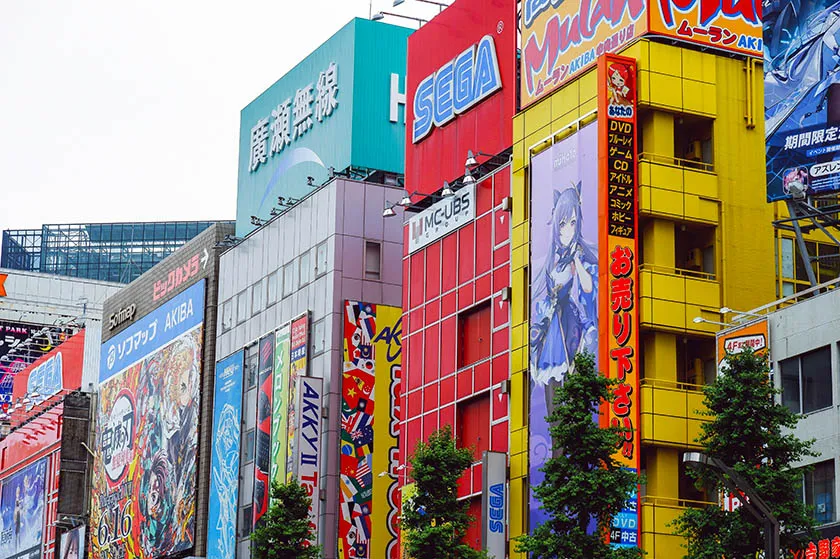
Travel Tip: Navigating Akihabara Station
Tokyo’s train stations can be overwhelming. Use station maps and follow signs carefully. Station attendants are incredibly helpful, so don’t hesitate to ask for directions.
Ready to explore Tokyo’s vibrant neighborhoods? As a Japan travel specialist, I’ll design a trip that includes iconic spots and hidden gems. Let’s plan your adventure today!